
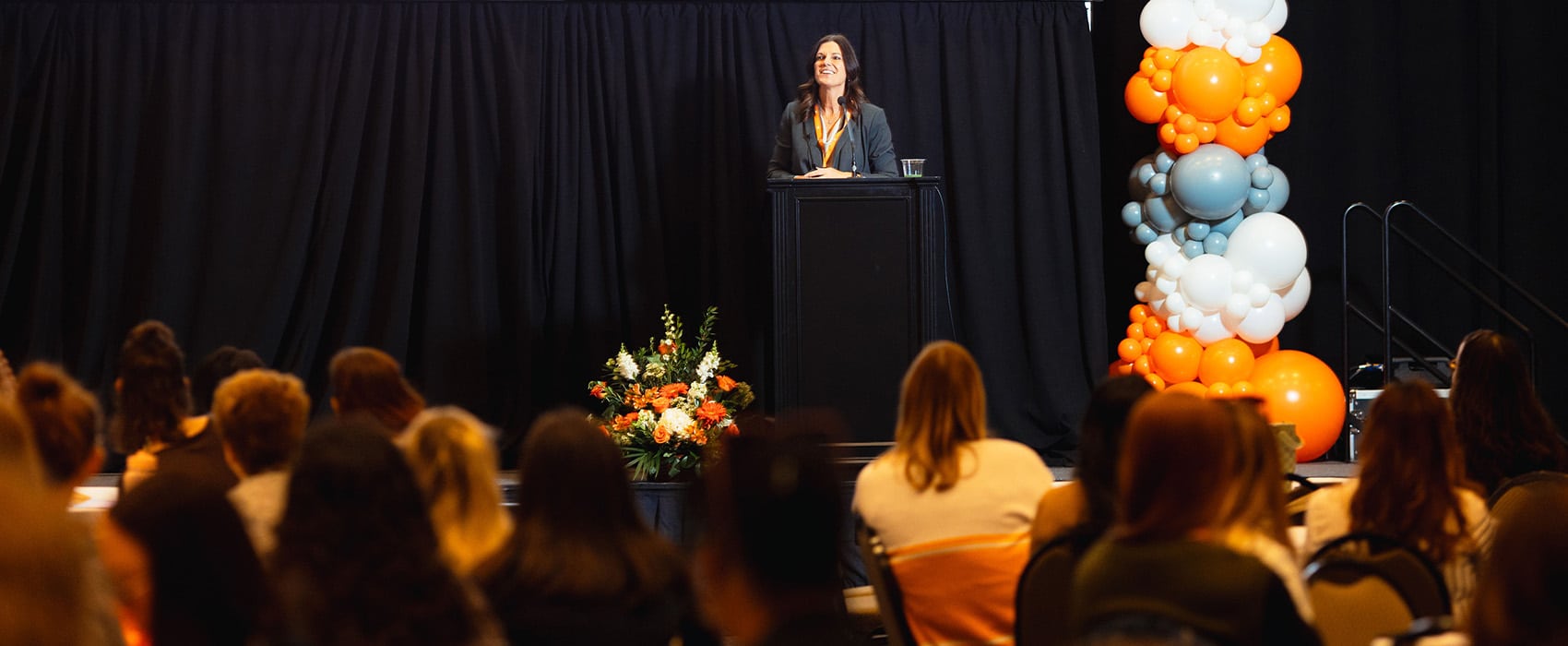
Annual eVOLve Conference
Free CEUs, Community networking, and more! In-person and online options.
Thank you for a great eVOLve 2026! Save the date for eVOLve 2027 | Turning Passion Into Action!
Friday, March 19
Join Us In Building eVOLve 2027
This conference exists because of partners who believe in supporting the social work community — and your sponsorship can help bring it to life. Beyond making a meaningful impact, sponsoring eVOLve also puts your organization directly in front of every attendee.
Sponsorship packages are available now. Contact Tammy Modic to learn more.
Tammy Modic
Assistant Director of Annual Giving & Stewardship
865-974-0768
[email protected]
Already a sponsor? Click here to view logo submission guidelines.

eVOLve 2027 Hotel Info
Use our special conference rate and stay within walking distance of the conference and downtown Knoxville.
Hampton Inn & Suites Knoxville- Downtown
618 West Main Street
Knoxville, Tennessee 37902 USA
$179/night for Thursday 3/18 and Friday 3/19
Book by February 18, 2027
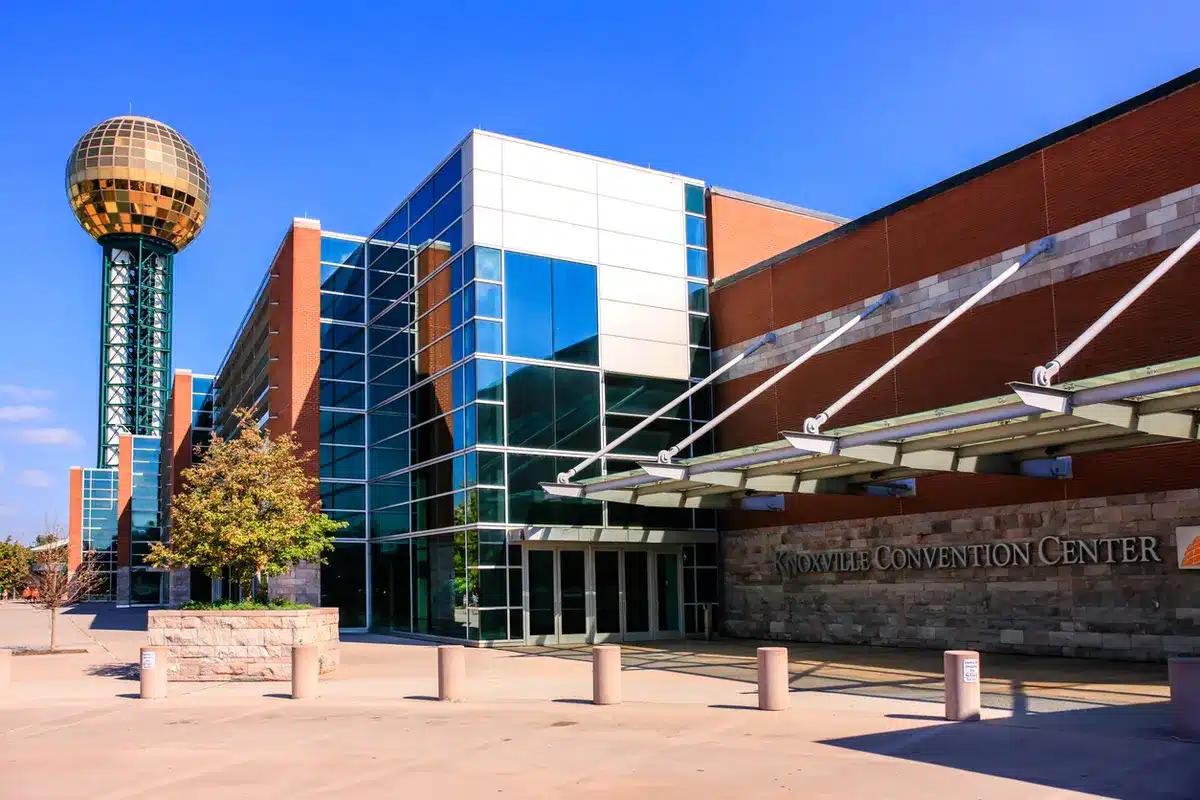
Knoxville Convention Center Info
eVOLve 2027 will be held at the Knoxville Convention Center located in Downtown Knoxville and minutes from UT campus.
eVOLve 2026 Recap:
The Future of Behavioral Health
Look back at our 2026 sessions below! Stay tuned to our social media for updates on becoming a presenter, registering for the 2027 conference, and more.
The 2026 eVOLve Conference Breaks All Previous Attendance Records
The UT College of Social Work’s (UTCSW) fifth annual eVOLve conference was a huge success, with close to 500 people attending in person and over 600 people attending online. This year’s venue was the Knoxville Convention Center, allowing for more space and larger breakout rooms.

Keynote Speaker

Kristie Hammonds is President & CEO of Frontier Health, the region’s leading provider of behavioral health services. Frontier Health is the region’s leading provider of behavioral health, mental health, substance abuse, co-occurring disorders, intellectual and developmental disabilities, recovery, and vocational rehabilitation services, and has provided these services since 1957. Its mission is to provide high-quality services that help people achieve their full potential. Frontier Health served over 69,000 individuals last year.
Keynote Session
In today’s human services landscape, social workers are constantly challenged to balance their deep commitment to client well-being with the pressing realities of fiscal responsibility. This presentation explores the critical skills needed to uphold quality care while managing limited resources—a space where compassion meets pragmatism. We’ll discuss practical strategies for innovating on a tight budget, emphasizing how creative thinking and strategic planning can lead to meaningful change without financial overreach. Special focus will be given to leveraging technology—not only to enhance the quality of client care but also to improve the work experience for providers. Finally, we’ll tackle the question that looms in challenging times: how do we keep moving forward? Through real-world examples and actionable insights, this session offers tools and inspiration to continue innovating, adapting, and leading with both heart and resilience—even when times are tough.
Learning Objectives
By the end of this session, participants will be able to:
- Identify key skills social workers need to balance quality client care with fiscal accountability in resource-constrained environments;
- Apply at least two innovative strategies for maintaining or improving service delivery within tight budget constraints; and
- Evaluate the role of technology in enhancing both the quality of client care and the professional experience of social workers.
Breakout Sessions
Breakout One
The Effectiveness of the Communities That HEAL to Reduce Overdoses – Bridget Freisthler, PhD
OVERVIEW
In 2022, Tennessee had the third-highest rate of drug overdose deaths in the U.S. Results and strategies from the HEALing Communities Study (HCS) hold relevance to the overdose crisis here in Tennessee. HCS was a randomized clinical trial designed to reduce opioid overdose deaths in 67 communities in four states (KY, MA, NY, OH) using the Communities That HEAL (CTH) intervention. The CTH is a coalition-led, community-engaged, data-driven intervention that supports communities in scaling up evidence-based practices (EBPs; overdose education and naloxone distribution, use of medication for opioid use disorder, and safer prescribing practices) alongside a communications campaign designed to reduce stigma and drive demand for these practices. 615 EBPs were implemented in intervention communities. Findings include a significant increase in naloxone distribution, a decrease in community stigma towards those with opioid use disorder, 15% decrease in non-fatal overdoses, and 37% reduction in opioid overdose fatalities that include a psychostimulant (other than cocaine). This study has direct implications for treatment and recovery services and distribution of abatement funds across the state.
CEUs
1.5 CEUs
LEARNING OBJECTIVES
As a result of attending this presentation, participants will:
1. Identify key components of the Communities that HEAL (CTH) intervention;
2. Summarize the role of coalitions in implementation of the CTH;
3. Evaluate the effectiveness of the CTH for local community goals related to reducing opioid overdose deaths; and
4. Describe how the partnership with the state increased the sustainability of intervention components deployed by the communities.
PRESENTER
Dr. Bridget Freisthler is the Cooper-Herron Endowed Professor in Mental Health in the College of Social Work at the University of Tennessee, Knoxville. Most recently, Dr. Freisthler has developed, implemented, and evaluated interventions to reduce substance use-related problems, opioid overdoses and deaths, and child abuse and neglect due to parent substance misuse. She is PI of the Ohio Research Site for the HEALing Communities Study and leads the evaluation of the Ohio Sobriety, Treatment, and Reducing Trauma (START) intervention. These interventions look to reduce the impact of the opioid crisis on families and local communities. She enjoys working alongside communities to identify local needs and co-develop solutions to support the most vulnerable populations.
Centering Joy: Rethinking School Discipline for Black Girls – Andrea Joseph-McCatty, PhD, MSW, MA | Dashawna J. Fussell-Ware, PhD, LSW, Alexandria C. Onuoha, PhD, & Kara James
OVERVIEW
Black girls are the only group of girls disproportionately suspended in U.S. schools (OCR, 2019). In Tennessee, they represent 21% of enrolled girls but 65% of multiple out-of-school suspensions (Joseph-McCatty et al., 2023). These disparities, driven by racialized gender bias and adultification, intersect with chronic adversity—including parental incarceration, community violence, and racial discrimination—all of which contribute to behavioral health risks such as anxiety, depression, and trauma exposure (Cronholm et al., 2015; Turner et al., 2020). This university–community partnership between the University of Tennessee and The FIND Design examined school discipline, ACE prevalence, and access to mental health supports using OCR (2017–18) and NSCH (2016–19) data. Results revealed alarming trends: Black girls were 15x more likely to face multiple suspensions and 3.3x more likely to experience racial discrimination. Yet only 9% had access to a full-time school social worker. In response, we co-designed the FIND JOY Incubator, a Tier 2 SEL intervention advancing a joy-centered, trauma-informed approach to behavioral health. Co-constituted by Kara James, CEO of The FIND Design, this framework defines joy incubation as “the purposeful and intentional effort to center the joy, hopes, and dreams of Black girls by affirming their voices, expression, and agency” (Joseph-McCatty et al., 2023). As the behavioral health field evolves, centering Black girls’ joy is essential to disrupting punishment paradigms and advancing equity in school-based mental health.
CEUs
1.5 CEUs
LEARNING OBJECTIVES
As a result of attending this presentation, participants will:
1. Recognize how racialized gender bias, adverse childhood experiences (ACEs), and limited mental health access contribute to the disproportionate suspension and behavioral health risks experienced by Black girls in schools;
2. Describe the components and guiding principles of the FIND JOY Incubator, a Tier 2 SEL framework that centers trauma-informed care, cultural responsiveness, and joy incubation for Black girls; and
3. Apply strengths-based, joy-centered strategies to school-based behavioral health practice that affirm Black girls’ voices, agency, and well-being as a means to disrupt punitive discipline paradigms.
PRESENTERS
Andrea Joseph-McCatty, PhD, MSW, MA, is an Assistant Professor at the University of Tennessee, Knoxville College of Social Work (Nashville campus). A scholar-practitioner with deep commitments to equity, trauma-informed care, and culturally responsive interventions, her research focuses on addressing school discipline disparities, particularly for Black girls. She leads community-engaged, mixed-methods studies at the intersection of adverse childhood experiences (ACEs), racialized discipline, and socio-emotional wellness. Her work is guided by critical trauma theory, intersectionality, and youth participatory approaches, and works to inform practice among educators and school social workers.
Dashawna J. Fussell-Ware, PhD, LSW is a proud native of Miami, Fl. She received her Bachelor of Arts, with honors, in Psychology with minors in English and Human and Social Development from the University of Miami in 2013 and her Master’s of Social Work, with a Certificate in Non-Profit Management, from the University of Georgia in 2018. In 2022, she graduated with her PhD from the University of Pittsburgh School of Social Work. She is an Assistant Professor at the University of Tennessee, Knoxville College of Social Work. Dr. Fussell-Ware’s current research focuses on promoting mental health literacy among Black children, adolescents, and transition-age youth as a pathway to eliminating mental health disparities. She has been honored for her work on racial/ethnic minority youth mental health with fellowships from the Council on Social Work Education and the American Psychological Association. The Staunton Farm Foundation and the University of Pittsburgh Center on Race and Social Problems have also funded her research. By conducting groundbreaking research, Dr. Fussell-Ware seeks to positively influence policy and social work practice and serve communities of color through partnerships with resource-rich academic institutions.
Alexandria C. Onuoha, PhD, is a developmental scientist who studies how cultural and ecological factors shape positive developmental outcomes among Black youth, with a particular focus on Black girls. She draws from human development theories and Black antifascist scholarship to best understand the experiences of Black women and girls in education, health, and digital media, and does so through an asset-based approach. Dr. Onuoha is particularly interested in how Black girls make-meaning of joy and create joy spaces amid political violence and intersectional bias (e.g., misogynoir) through qualitative, art-based, and quantitative methods. Dr. Onuoha is building a research collaborative dedicated to Black women and girls’ thriving. She aims to conduct and disseminate strengths-based, exploratory, and prevention research. The mission includes creating programs and solutions specifically tailored for Black girls and their communities in Tennessee. By developing curricula and resources that amplify joy, challenge misogynoir, and uphold Black antifascist values, her goal is to create a lab that not only contributes to the field but enacts social change.
She sees her scholarship as a tool to move conversations forward and drive meaningful change. She was elected to serve as one of two early-career representatives for the Society for Research in Child Development’s Black Caucus, where she develops professional development programming for scholars and practitioners who center Black families and helps organize the Caucus’s conference events. She is also a founding board member of Mics for the Missing, a Boston-based non-profit raising awareness and providing resources for cases involving missing Black girls and women. Her past engagement work includes collaborating with government agencies and schools on child advocacy and harm reduction. Both her scholarship and public engagement contributions have been featured in outlets such as The Boston Globe, WCVB, The Washington Post, and TEDx. In Knoxville, Dr. Onuoha hopes to continue building meaningful community partnerships that bridge research and action.
Kara James is a healing practitioner, systems disruptor, and the Co-Founder and Executive Director of FLY Girl Institute, a nationally recognized organization dedicated to the liberation, healing, and leadership development of Black girls. Her work is rooted in lived experience, community wisdom, and a deep commitment to transforming the systems that criminalize, silence, and harm Black girls. Born in Pontiac, Michigan, Kara’s early life was shaped by trauma and early contact with the justice system. As a child, she was often labeled “the bad one” for standing up for herself and others, a label that continues to be disproportionately applied to Black girls who advocate for their dignity. Rather than being defined by that narrative, Kara transformed it into purpose, dedicating her life to ensuring Black girls are seen, heard, and celebrated instead of disciplined and dismissed.
Kara brings over 15 years of experience in corporate America, where she built expertise at Asurion across the Special Investigative Unit, Risk Management, Continuous Improvement, and the Office of the CEO. She studied Psychology at the University of Phoenix and earned a Nonprofit Leadership certification from the Center of Nonprofit Management. While these credentials strengthened her leadership, Kara often notes that her deepest education came from lived experience, community engagement, and learning directly from the girls and systems she works to change.
In 2014, Kara and co-founder Sharese Chapman launched FLY Girl Institute at the Napier Recreation Center, creating culturally affirming spaces where Black girls could heal, lead, and thrive. Under Kara’s leadership, the organization has served more than 3,500 young women across 16 schools, achieved a 95% graduation rate and 92% program retention, reduced recidivism by 80%, and raised over $3 million in funding. Kara is also the pioneer of Liberation Technology, an innovative approach that integrates trauma-informed healing with emerging tools such as virtual reality and artificial intelligence to support emotional regulation, self-awareness, and resilience.
An alumna of Antioch High School, Kara carries a personal connection to the January 2025 school shooting. This proximity to tragedy further fuels her resolve to build systems rooted in healing, prevention, and collective care. She remains steadfast in her commitment to leading FLY Girl Institute and advancing its mission for years to come.
Youth Mental Health Disclosures on Social Media and Behavioral Health – Ishita Kapur | Robert Lucio, PhD, LCSW
OVERVIEW
Youth are increasingly turning to social media platforms as spaces to disclose their mental health struggles, seek peer support, and navigate pathways to care (Faverio et al., 2025; Shimkhada & Ponce, 2024). While these online disclosures can foster connection and resilience, they may also expose young people to risks such as stigma, misinformation, or harmful content (Centers for Disease Control and Prevention [CDC], 2023; Starvaggi et al., 2024). Recent research also suggests that increased social media activity can increase the severity of depression symptoms among youth (University of Texas Southwestern Medical Center, 2025). As behavioral health and social work professionals, understanding the role of social media in youth help-seeking is vital to shaping the future of mental health care. This workshop highlights emerging research on youth social media use and its implications for practice. Drawing on studies of how adolescents and young adults share their experiences with depression, suicidality, and other mental health challenges online (Tanni et al., 2024), participants will explore patterns of disclosure and support-seeking. Through hands-on activities, participants will analyze de-identified examples of online posts, identify indicators of risk and resilience, and practice applying these insights to real-world practice. Ethical considerations, including digital privacy, mandated reporting, and the responsible use of social media data, will also be addressed. Participants will leave with concrete strategies for incorporating awareness of digital disclosures into assessment, prevention, and intervention efforts, ensuring they are better prepared to meet youth where they are, in both offline and online contexts.
CEUs
1.5 CEUs
LEARNING OBJECTIVES
As a result of attending this presentation, participants will:
1. Identify and interpret patterns of youth mental health disclosures on social media;
2. Apply evidence-informed strategies to clinical practice that leverage youth mental health disclosures on social media for assessment and intervention; and
3. Develop ethical practice-based approaches to discussing online activity with youth and families and advocate for healthier digital practices.
PRESENTERS
Ishita Kapur is a mixed-methods researcher interested in exploring the impact of social media use on the mental health outcomes of young adults. She is also interested in leveraging the potential of social media platforms to provide nuanced insights about mental health challenges experienced by young adults. Her work includes examining adverse childhood experiences, such as parental abuse and bullying, that lead to trauma during childhood. She is also interested in exploring the utilization of artificial intelligence (AI) technologies in social work education and practice. She aims to employ AI techniques such as machine learning to analyze large-scale social media data and offer useful insights into the factors that impede the well-being of marginalized population groups.
Dr. Robert Lucio has over 30 years of experience and research supporting youth facing heightened vulnerability to behavioral, academic, and mental health impacts. He has taught at the Undergraduate, master’s, and Doctoral levels, including courses on research, advocacy & activism, and clinical practice. Dr. Lucio consults with local school districts to enhance social workers’ use of evidence-informed interventions, advocacy, and school behavioral health.
Additionally, he is experienced in developing youth risk and protective factors models, providing training on advocacy, data-informed decision-making, therapeutic modalities, and comprehensive school mental health. He focuses on how risk and protective factors affect youth and families’ cognitive, social, and emotional development. The findings of his work demonstrated that many of the same risk and protective factors impact youth well-being, child development, adolescent pregnancy, and school settings, making investigating these factors crucial to the development and evaluation of interventions to support youth.
AI Storytelling for Immigrant Mental Health: From Pilot to Practice – Sangmi Kim, MSW | Go-Eum Cha
OVERVIEW
Asian American communities face elevated risks of depression and suicide, with Korean immigrant families showing particular vulnerability. Within these families, parents often rely on community guidance to navigate youth distress, yet stigma, language barriers, and limited culturally responsive tools constrain access to behavioral health care. This 90-minute practice-oriented session explores how artificial intelligence (AI) can ethically support immigrant mental health through digital storytelling and family communication. The first 40 minutes present findings from a pilot bilingual AI chatbot workshop with Korean and Korean American adults. Participants co-created short mottos expressing family values and resilience, highlighting both the promise of AI for accessible, stigma-free reflection and its ethical limits—such as reduced empathy and cultural nuance. Building on these insights, the latter 40 minutes translate community feedback into a practitioner workshop that models ethical, culturally informed use of AI in behavioral health practice. Through a live simulation, participants experience how an AI assistant interprets symbolic digital cues (e.g., emojis) from youth and generates plain-language summaries for discussion with caregivers or clinicians. Participants will engage in small-group reflection on privacy, empathy, and equitable design, then complete a brief survey on AI literacy, ethical boundaries, and feasibility in practice. Attendees will leave with adaptable prompts, a reflective ethics checklist, and practical strategies to integrate AI-assisted communication into culturally responsive behavioral health services.
CEUs
1.5 CEUs in Ethics
LEARNING OBJECTIVES
As a result of attending this presentation, participants will:
1. Summarize pilot findings on AI-supported digital storytelling and describe participants’ perspectives on its cultural and ethical implications;
2. Identify one practical benefit and one challenge of the revised practitioner workshop featuring an AI-assisted communication tool; and
3. Evaluate the potential use of AI-based multimodal support in behavioral health practice from both practical and ethical perspectives.
PRESENTERS
Sangmi Kim is a PhD Candidate at the University of Tennessee, Knoxville. As a researcher, teacher, and social work practitioner, she aims to strengthen the mental health safety net and promote equitable
digital health systems for vulnerable youth and families. Her scholarship focuses on suicide prevention among marginalized populations, emphasizing the development of fair and culturally responsive artificial intelligence (AI) tools. More broadly, she examines data justice, digital mental health, and interdisciplinary strategies that integrate technology, social work, and public health to reduce disparities and safeguard vulnerable communities.
Go-Eum Cha is a Ph.D. student in Computer Science at Purdue University. Her research bridges Human-Robot Interaction and Human-Agent Interaction (HRI/HAI) through conversation, exploring how social psychology-inspired AI enables robots and agents to engage in contextually adaptive dialogues with individuals and groups. Her work aims to bring humans and intelligent agents closer together through socially aligned, empathetic, and conversational interaction design.
Sooyeon Jeong, PhD, is an Assistant Professor in the Department of Computer Science at Purdue University and the director of the Human-Agent Interaction (HAI) Lab. Her current research focuses on designing and deploying interactive AI agents that can improve people’s lives by providing personalized support based on each user’s needs, traits, and behaviors. She deploys these agents to evaluate how they build relationships and rapport with people over time and improve their well-being, health, and learning. She believes relational technologies can be more than just tools and become helpful companions for people by continuously adapting themselves to help users achieve their health goals. Some of her research interests are in Human-Computer/AI Interaction, Social Robotics, Affective Computing, Applied Machine Learning, and Digital Health.
Dr. Jeong received an S.B. and an M.Eng. from the Department of Electrical Engineering and Computer Science (EECS) at MIT, and an S.M. and a Ph.D. in Media Arts and Sciences from MIT Media Lab. Prior to joining Purdue, she spent a year as a National Research Service Award (NRSA) T32 Postdoctoral Fellow at the Center for Behavioral Intervention Technologies at Feinberg School of Medicine at Northwestern University.
Breakout Two
Healing the Helpers: Prioritizing Well-Being in Trauma-Informed Spaces – Maryam Abdallah, LCSW
OVERVIEW
This presentation is designed for practitioners and professionals navigating the challenges of working in trauma-exposed environments. This presentation recognizes that building connection, safety, and trust within the workplace is paramount to both staff well-being and effective service delivery. We will explore how trauma impacts individuals and teams, focusing on the crucial role of interpersonal dynamics in creating either healing or harmful environments. Participants will learn practical strategies for fostering a culture of safety, building trust through authentic communication, and promoting connection through shared understanding and support. This presentation offers a pathway to creating workplaces where helpers feel valued, supported, and empowered to provide compassionate care while prioritizing their own well-being.
CEUs
1 CEU
LEARNING OBJECTIVES
As a result of attending this presentation, participants will:
1. Understand the impact of trauma on workplace dynamics;
2. Define and apply the principles of connection, safety, and trust; and
3. Develop self-care strategies for employees and trauma-informed leadership strategies for building resilience in the workplace.
PRESENTER
Maryam Abdallah, LCSW, is a highly experienced therapist, consultant, and adjunct professor passionate about helping, encouraging, and empowering individuals. As the Founder and CEO of I Am Well Consulting, LLC, a mental health group practice, she provides compassionate, evidence-based therapy, empowers workplaces to prioritize employee well-being, and actively works to destigmatize mental health. With over 20 years of experience in social work, advocacy, and leadership, Maryam brings a powerful forensic lens to her practice, integrating her deep knowledge of the legal system and human perspective. Her clinical specialties include trauma-informed approach, restorative justice, anti-oppressive practices, children and family systems, and the empowerment of Women and the LGBTQ Community. She currently serves as an adjunct professor at both the University of Tennessee, Knoxville, and Belmont University Social Work programs, and holds a BS in Criminal Justice and an MSW from Tennessee State University. Outside of work, Maryam is a wife and a mother of a vibrant 9-year-old. She enjoys spending time with her extremely large family, reading a good book for pleasure, listening to live music, and walking in nature.
Artificial Intelligence in Social Work Practice & Education – Ishita Kapur | Robert Lucio, PhD, LCSW | Kristen Ravi, PhD, LMSW | Courtney Cronley, PhD
OVERVIEW
Artificial intelligence (AI) is rapidly transforming social work practice and education, offering new opportunities and challenges for equity, ethics, and human connection (Kapur et al., 2025). This panel discussion brings together three faculty members from the College of Social Work to explore how AI tools, including predictive analytics, natural language processing, and generative AI, are reshaping assessment, intervention, and teaching (Boetto, 2025; Mackline Nuwasiima et al., 2024). Panelists will share applied examples of AI integration in classrooms, field education, and behavioral health settings, highlighting both innovations and limitations. Participants will engage in dialogue on emerging ethical concerns such as bias, transparency, privacy, and accountability (Kapur et al., 2025; Reamer, 2023; Thomas-Oxtoby, 2023), and discuss how to balance technological adoption with social work’s commitment to justice and human dignity. Attendees will leave with strategies for incorporating AI literacy into curricula and practice, frameworks for evaluating ethical use, and ideas for leading responsible, values-driven AI engagement across the profession.
CEUs
1 CEU in Ethics
LEARNING OBJECTIVES
As a result of attending this presentation, participants will:
1. Discuss examples or domains of social work (practice, education, and research) where AI is currently being applied or holds high promise for the future;
2. Discuss ethical or equity risks associated with AI in social work (e.g., algorithmic bias, transparency, client privacy) and propose mitigation strategies; and
3. Describe examples to responsibly incorporate AI into participants’ own teaching or practice contexts.
PRESENTER
Ishita Kapur is a mixed-methods researcher interested in exploring the impact of social media use on the mental health outcomes of young adults. She is also interested in leveraging the potential of social media platforms to provide nuanced insights about mental health challenges experienced by young adults. Her work includes examining adverse childhood experiences, such as parental abuse and bullying, that lead to trauma during childhood. She is also interested in exploring the utilization of artificial intelligence (AI) technologies in social work education and practice. She aims to employ AI techniques such as machine learning to analyze large-scale social media data and offer useful insights into the factors that impede the well-being of marginalized population groups.
Dr. Robert Lucio has over 30 years of experience and research supporting youth facing heightened vulnerability to behavioral, academic, and mental health impacts. He has taught at the Undergraduate, Master’s, and Doctoral levels, including courses on research, advocacy & activism, and clinical practice. Dr. Lucio consults with local school districts to enhance social workers’ use of evidence-informed interventions, advocacy, and school behavioral health.
Additionally, he is experienced in developing youth risk and protective factors models, providing training on advocacy, data-informed decision-making, therapeutic modalities, and comprehensive school mental health. He focuses on how risk and protective factors affect youth and families’ cognitive, social, and emotional development. The findings of his work demonstrated that many of the same risk and protective factors impact youth well-being, child development, adolescent pregnancy, and school settings, making investigating these factors crucial to the development and evaluation of interventions to support youth.
Kristen Ravi, PhD, is an assistant professor in the College of Social Work at the University of Tennessee. She is also a licensed master social worker with experience working with children and families. Her program of research focuses on the experiences and impact of intimate partner violence (IPV) on survivors and their children, as well as adverse childhood experiences more broadly, and on identifying protective factors. She is currently a co-principal investigator on a research study about the use and ethical considerations of AI in social work research, teaching, and practice.
Dr. Courtney Cronley is a Professor in the College of Social Work at the University of Tennessee. Her interdisciplinary research explores homelessness, housing precarity, and how the built environment shapes access to opportunity, health, and well-being. A Faculty Fellow at the UT Center for Transportation Research, her mixed-methods, community-based work—funded by the National Science Foundation and the Department of Energy—develops innovative solutions to reduce spatial and environmental barriers to critical resources and promote economic upward mobility
Building Resilience: Addressing Trauma in Black Clinicians – Mahogany LaCour, DSW, CADC, CCTP, LCSW
OVERVIEW
The duality of the experience mental health professionals face often gets overshadowed by the need to support the client. Supporting clients through their trauma experiences can be uniquely challenging when contending with their own emotional injuries, race-based stress, and systemic inequities. Designed for clinicians balancing heavy caseloads, high trauma exposure, and limited time, this seminar will focus on understanding and mitigating the impact of secondary traumatic stress and vicarious trauma, specifically within the context of Black mental health professionals. It suggests a proactive approach centered on resilience-building, support mechanisms, and effective coping strategies while navigating the occupational hazards faced by Black clinicians. Participants will explore how cultural, racial, and other types of traumas outside of the office compound the emotional demands of clinical practice, contributing to burnout and compassion fatigue. Through an interactive format that includes case examples, reflection exercises, and small-group discussions, this presentation will offer practical, culturally responsive strategies to promote resilience, self-compassion, and community care. Emphasis will be placed on developing organizational supports, supervision practices, and peer networks that affirm Black clinicians’ well-being. Attendees will leave with actionable tools they can immediately apply to minimize trauma exposure responses and integrate healing-centered engagement into their professional practice. The content and discussion will reinforce the importance of representation in the social work profession for Black communities and how self-monitoring our responses to traumatic stimuli and external supports is paramount for all involved. This is an opportunity to recharge, reconnect, and reclaim your wellness through self-awareness and support.
CEUs
1 CEU
LEARNING OBJECTIVES
As a result of attending this presentation, participants will:
1. Identify early warning signs of burnout, compassion fatigue, and secondary traumatic stress in yourself and colleagues before they progress into identity-shifting vicarious trauma. Learn what steps to take next;
2. Practice resiliency building techniques that can be integrated into clinical practice;
3. Develop a personal “trauma exposure plan” to maintain emotional wellness when supporting clients; and/or encourage your staff working with survivors of trauma;
4. Apply culturally responsive strategies to foster resilience and sustainability in clinical work for the clinician such as culturally affirming supervision and peer support; and
5. Create a toolkit of organizational strategies to help advocate for systemic support and equity in the workplace.
PRESENTER
Dr. Mahogany LaCour is a Licensed Clinical Social Worker with over a decade of experience working with complex populations within a county jail, private practice, inpatient psychiatric units, and outpatient settings in military treatment facilities. Her clinical experience includes treating clients with co-occurring disorders, trauma, substance use, and difficulty coping with life stressors. She is compassionate, empathetic, and dedicated to her clients, mentees, and those who have invested in her growth. She is deeply committed to supporting individuals through their healing journey, focusing on alleviating immediate challenges and fostering long-term growth and self-awareness. Their passion reflects a belief in the potential for positive change and resilience in every person, regardless of past negative experiences. Dr. LaCour recently graduated with her DSW from the University of Tennessee, Knoxville. She obtained her MSW (2025) from Clark Atlanta University (2012), and BSW from Prairie View A & M University (2010). She is independently licensed in Georgia, Virginia, and Maryland. Her research project examined the impact of secondary traumatic stress and vicarious trauma on Black Mental Health Providers. She recognized the gap in research that would support these providers, with hopes of increasing resiliency and representation within the social work field. With hopes to publish her findings, she feels compelled to start sharing her knowledge with professionals like her, vulnerable to the same occupational and race-based hazards as a Black mental health professional. Mahogany approaches her work with patience, understanding, and a genuine desire to empower others to discover and cultivate their strengths. She provides various modalities such as CBT, CPT, EMDR, PE, and MI. She is a Certified Clinical Trauma Professional and Certified Alcohol and Drug Counselor. Dr. LaCour currently serves as an inpatient psychiatric social worker at Walter Reed National Military Medical Center, where she offers crisis stabilization support, case management, and individual and group psychotherapy to military servicemembers from all branches, including active duty, reserve, National Guard, veterans, and their dependents.
The Power-Threat-Meaning Framework for Navigating Forensic Social Work – Dimitra Lattas, PhD, MRes, MSW
OVERVIEW
The Power Threat Meaning Framework (PTMF) offers a fundamental shift in understanding emotional distress and challenging/maladaptive behavior, moving beyond diagnostic categories to explore how individuals respond to adversity through meaning-based survival strategies. Developed within UK mental health practice, PTMF invites forensic social workers to consider how experiences of shame, self-blame, isolation, fear, and guilt shape the ways people cope and adapt. This session introduces PTMF as a conceptual and reflective tool for forensic social work, emphasizing its relevance in criminal justice and forensic mental health settings. Participants will explore how maladaptive behaviors may be understood as threat responses, or functional strategies developed to survive relational, social, and systemic adversities. Through this lens, practitioners can better recognize the impact of power, restore the links between threats and responses, and co-construct narratives that uphold social work values of dignity, justice, and person-centered care. Practical applications will be demonstrated across assessment, intervention planning, and reflective practice. Participants will engage with guiding questions from the PTMF (e.g., “What has happened to you?” “What did you have to do to survive?”) and learn strategies for integrating the framework into everyday practice. The session will also highlight how PTMF supports trauma-informed, strengths-based, and culturally responsive approaches.
CEUs
1 CEU
LEARNING OBJECTIVES
As a result of attending this presentation, participants will:
1. Understand the core principles of PTMF;
2. Apply PTMF questions to case scenarios in their own work; and
3. Integrate PTMF into reflective and ethical social work practice.
PRESENTER
Dr. Dimitra Lattas is a Lecturer in Social Work at the University of the Sunshine Coast. She holds a PhD in Social Work, a Master of Social Work, a Master of Arts (Research), and a Graduate Certificate in Forensic Psychology. Her research focuses on forensic social work education and training. Dimitra was awarded the 2024 AASW National Social Work Researcher of the Year, 2025 ANZSOC PhD Candidate, and received the 2024 Albert Roberts Scholarship from the National Organization of Forensic Social Work. She is the 2025–2026 Fulbright Queensland Scholar, hosted by the University of Tennessee, to investigate workforce development and practitioner education for professionals supporting justice-involved young people.
Breakout Three
The Future of Behavioral Health: Practical Insights on Disability and Social Work – Ashlie Bell-Seibers, MSW, BSW | Carrie Dhanarajan, MA, BCBA, LBA
OVERVIEW
Individuals with intellectual and developmental disabilities (I/DD) who also experience mental health conditions are far more common in practice than many providers realize. Yet, social workers often receive little formal training on how to support this population. This lack of preparation raises important ethical concerns, particularly as social workers are expected to provide care that is equitable, person-centered, and culturally responsive. This session will focus on the intersection of disability and behavioral health, with attention to the barriers that can arise when providers are not equipped to meet these needs. Through case examples and practical resources, participants will learn strategies for recognizing and supporting people with I/DD and co-occurring conditions. Attendees will gain access to specific community programs, service models, and engagement approaches that can be applied directly to their work. The session will also address broader systemic barriers and offer ways social workers can strengthen their practice and leadership in this area, helping to shape a future of behavioral health that is more inclusive.
CEUs
1 CEU
LEARNING OBJECTIVES
As a result of attending this presentation, participants will:
1. Explain how common co-occurring intellectual and developmental disabilities (I/DD) and mental health conditions are, and why they matter for social work practice;
2. Identify three or more community resources or service models that can support individuals with I/DD and mental health needs;
3. Use practical engagement strategies that promote ethical and effective support for this population;
4. Consider ways to strengthen their own knowledge and skills in order to address provider gaps in behavioral health.
PRESENTERS
Ashlie Bell-Seibers is the Program Director for Practice Improvement for the Tennessee Department of Children’s Services and former Director of Family Voices of Tennessee at the Tennessee Disability Coalition. She has extensive experience in child welfare, disability services, and youth advocacy, having held roles at the U.S. Department of Health and Human Services, Chapin Hall, the Children’s Bureau Capacity Building Center for States, the Tennessee Department of Children’s Services, and the Campbell County Children’s Center. Seibers brings strong expertise in project management, policy implementation, and advancing health equity and long-term supports for children and youth with special healthcare needs. Seibers holds a Master of Social Work in Organizational Leadership and a graduate certificate in Trauma Treatment from the University of Tennessee.
Carrie Dhanarajan is a Board-Certified Behavior Analyst (BCBA) licensed in Tennessee, with over 20 years of experience working with people with intellectual and developmental disabilities (IDD). Carrie is dedicated to helping people live the lives they choose. She has done this through direct behavioral support to both children and adults, teaching families how to use positive strategies, providing consultation to schools, and working with governmental departments for people with IDD in both Tennessee and Georgia. Carrie has worked with the TN START program for almost 4 years and currently serves as the program’s director, where she leads statewide efforts to provide crisis prevention and intervention services across Tennessee.
The Future of Advocacy: Sustaining Ourselves While Building Community – Wendy Blanco, LCSW
OVERVIEW
As social workers, we often enter this field driven by passion, personal history, and a deep commitment to justice. But sustaining ourselves in advocacy, behavioral health, and community care over decades requires intention, boundaries, and collective support. In a time when burnout, vicarious trauma, and ethical dilemmas are increasing, the future of behavioral health depends on our ability to stay grounded while continuing the work. This practice-oriented workshop will explore strategies for longevity in the movement, emphasizing sustainability, ethics, and community care. Through storytelling across generations, participants will reflect on what it means to “grow up” in advocacy while maintaining balance and purpose. Together, we’ll practice tools for self-care, boundary-setting, and resilience rooted in social work values and cultural humility. We will also discuss how building powerful relationships—with colleagues, clients, and communities—strengthens ethical decision-making and sustains our work. Participants will leave with practical takeaways to prevent burnout, navigate ethical challenges, and develop personalized sustainability plans. The future of behavioral health depends on practitioners who not only serve their communities but care for themselves and each other in the process.
CEUs
1 CEU in Ethics
LEARNING OBJECTIVES
As a result of attending this presentation, participants will:
1. Apply practical strategies for self-care, boundary-setting, and sustainability to support ethical social work practice;
2. Recognize how intergenerational stories and relationships strengthen resilience and inform future behavioral health work;
3. Identify ways to navigate ethical dilemmas in advocacy and direct practice while maintaining well-being;
4. Develop an individualized sustainability plan for long-term engagement in behavioral health and social justice.
PRESENTER
Wendy Blanco is a licensed clinical social worker with more than 21 years of experience working in the field of trauma. She has an expertise in sexual assault, domestic violence, HIV/AIDS, and clinical work as it relates to how trauma impacts individuals, families, and communities. Wendy has been asked to train on topics such as trauma-informed care, domestic violence, sexual assault, and sexual harassment. She has also done radio and television interviews in Spanish that raise awareness of mental health in the Latinx community.
Beyond Burnout: Resilience and the Future of Social Work Well-Being – Ragan Schriver, PsyD, LAPSW
OVERVIEW
As the behavioral health landscape evolves, social workers face increasing exposure to secondary trauma, moral injury, and systemic stress—factors that threaten professional sustainability and personal well-being. Traditional self-care models often fall short in addressing the neurobiological impact of chronic stress and compassion fatigue. This presentation bridges neuroscience with social work ethics and practice, offering participants a framework for resilience rooted in trauma-informed and brain-based approaches. Drawing from research on neuroplasticity, the stress response system, and trauma stewardship, this session will explore how the brain adapts under stress and how intentional interventions—such as mindfulness, co-regulation, and narrative reframing—can restore balance and enhance compassion. Participants will leave with a deeper understanding of the science behind resilience and concrete strategies for applying this knowledge at individual, team, and organizational levels. This session aims to empower social workers to sustain empathy and effectiveness in the future of behavioral health practice.
CEUs
1 CEU
LEARNING OBJECTIVES
As a result of attending this presentation, participants will:
1. Explain the basic neurobiological mechanisms involved in stress, trauma exposure, and resilience;
2. Identify early indicators of compassion fatigue, vicarious trauma, and burnout in behavioral health settings;
3. Apply neuroscience-informed tools and trauma stewardship principles to strengthen resilience and professional sustainability; and
4. Develop strategies for fostering organizational cultures that promote collective care and trauma-informed workforce well-being.
PRESENTER
Fr. Ragan Schriver, MSW, PsyD, is the Director of the Master of Science in Social Work Program, Knoxville Campus, and a Clinical Professor in the College of Social Work at the University of Tennessee. He teaches clinical as well as organizational leadership courses in the program. Ragan has experience in clinical social work as a therapist at an inpatient treatment hospital, an alternative sentencing program, and an outpatient setting. He previously served as the Executive Director of Catholic Charities of East Tennessee and served as Special Assistant to the President of Catholic Charities USA. He is on the Volunteer Ministry Center board as well as the Vice President of the CAC board. In addition to his social work and Psychology education, Ragan earned his MDiv and an MA in Hebrew Scriptures from Kenrick School of Theology in St. Louis, MO.
One Health Considerations for the Future of Behavioral Health – Erin Teigen, LCSW-C, MSW
OVERVIEW
Climate change and extreme-weather events are increasingly shaping behavioral-health needs across individuals, families, and communities, with disproportionate impacts on vulnerable and marginalized populations. Environmental stressors like extreme temperatures and natural disasters can intensify behavioral-health symptoms, disrupt systems, and impair coping. This session explores climate-related stress and resilience through a One Health framework, emphasizing the interconnected well-being of humans, animals, and the environment. Participants will examine behavioral vulnerabilities and protective factors that emerge with environmental stressors and learn assessments and interventions for climate anxiety within vulnerable populations and interspecies families. This session strengthens understanding of how environmental stressors uniquely affect well-being and decision-making in the 94 million U.S. households that include pets. Knowledge of the historical legacy of environmentally oppressive policies affecting minoritized communities will be exchanged and lead to discussions of social justice approaches to climate action. Attendees will be introduced to practical tools, including culturally-responsive assessments, human-animal bond resources, and strategies to support disaster preparedness and recovery. This session will equip clinicians with actionable approaches to integrate One Health principles into practice while advancing equity and resilience in a changing environment.
CEUs
1 CEU
LEARNING OBJECTIVES
As a result of attending this presentation, participants will:
1. Discover unique behavioral vulnerabilities and protective factors emerging with a changing environment and how to assess and intervene within vulnerable populations;
2. Understand the historical background of oppressive environmental policies within minoritized communities and how to address them using an ethical social-justice approach for climate action; and
3. Identify key components of applying the One Health framework to behavioral healthcare, including assessment tools for the human-animal bond, cultural considerations, and resources for preparing and coping with natural disasters within vulnerable populations.
PRESENTER
Erin Teigen (she/her) has a passion for connecting others with the empowerment of a deepened relationship with our natural environment and animals. She is the founder of Elevation Ecotherapy, a farm-based therapy practice in Virginia that integrates nature-based and animal-assisted approaches for care, especially for those exposed to trauma and experiencing anxiety. She also enjoys serving veterinary professionals and offering pet-loss support groups for the community. She earned a Master of Social Work in Clinical Behavioral Health from the University of Maryland and an undergraduate degree from the College of William and Mary. Currently, she is in candidacy as a doctor of social work from the University of Tennessee. Her advanced training in animal-assisted and nature-based therapies includes post-graduate certificates in veterinary social work from the University of Tennessee and equine-assisted mental health from the University of Denver. Erin is recognized as a Certified Equine Interaction Professional: Mental Health (CEIP-MH) and a registered yoga teacher (RYT-200). Beyond her work, you will find Erin foraging for persimmons, enjoying a paddle on the James River with her interspecies family, and riding her horse in the Jefferson National Forest.
Lead Sponsors


The eVOLve conference is funded through private donations.
Want to sponsor our 2027 conference?
Contact Tammy Modic at [email protected]