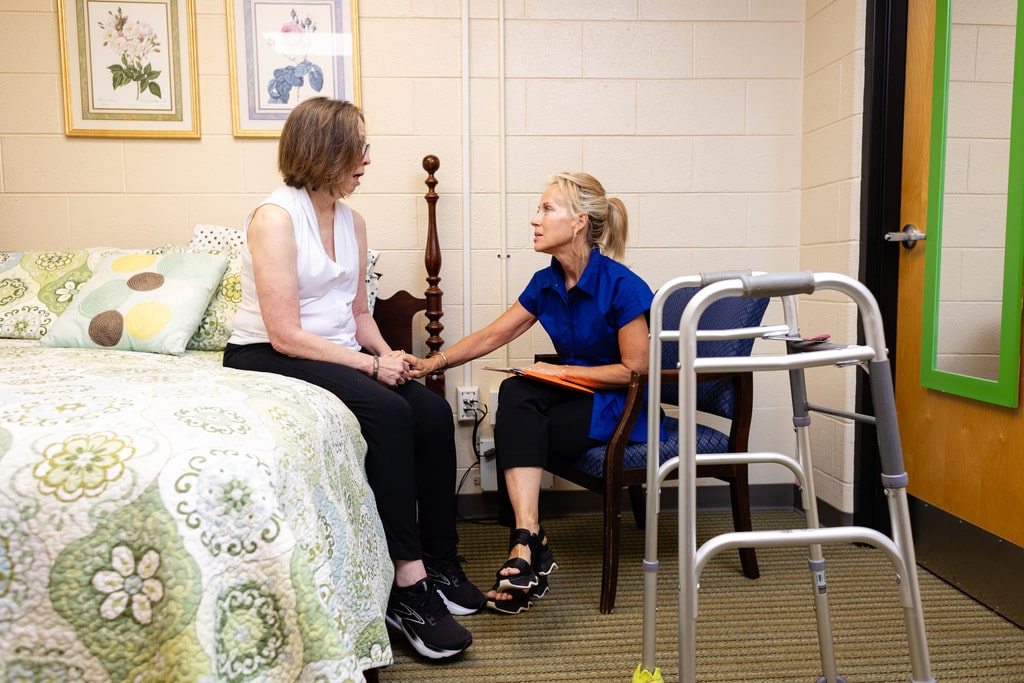

Gerontology Graduate Certificate
Shape a more compassionate future as you learn to support the needs of our aging population. The Gerontology Graduate Certificate gives you the knowledge and skills to address the unique challenges and opportunities that come with aging—preparing you to serve individuals, families, and communities in a rapidly changing world.
Program overview
The Gerontology Graduate Certificate is an interdisciplinary program that explores the biological, psychological, and social dimensions of aging. With populations living longer than ever before—and the number of older adults increasing in Tennessee and nationwide—students gain practical tools to navigate the complexities of aging in both individual lives and society at large. The program welcomes students from diverse backgrounds such as social work, healthcare, psychology, architecture, pharmacy, and more, helping you develop expertise that’s in growing demand across many fields.
What is Gerontology?
- The study of the aging process and individuals as they grow from midlife through later life, including the study of physical, mental, and social changes.
- The investigation of the changes in society resulting from our aging population.
- The application of this knowledge to practice, programs, and policies.
- An interdisciplinary field including professionals such as physicians, social workers, nurses, psychologists, sociologists, physical and occupational therapists, architects, audiologists, pharmacists, and more.
Requirements
15 credit hours total
Courses (9 credit hours)
- SOWK 555 (3)
- SOWK 566 (3)
- SOWK 572 (3)
- Other MSSW or graduate elective as approved by the Gerontology Certificate Chair (3)
Field Component
At least six (6) credit hours in a generalist or concentration MSSW field placement where student learning plans will include assignments related to gerontology. Non-MSSW students: 6 credit hours of SOWK 593 – Independent Study, focused on working with or on behalf of older adults.
Why get a Sport Social Work Graduate Certificate?
Populations around the globe are aging rapidly. In the U.S., nearly 1 in 5 people will be over 65 by 2030—including more than one million Tennesseans. This demographic shift is creating unprecedented demand for professionals who understand the physical, mental, and social changes that occur as people age. By studying gerontology at UT—a truly interdisciplinary program—you’ll gain skills that are valued in healthcare, policy-making, social work, research, and beyond. You’ll also join a community dedicated to improving quality of life for older adults while shaping programs and policies that strengthen families and communities.
A Stimulating, Challenging Field
Aging is a diverse experience—older adults vary greatly in health, interests, and needs based on factors like gender, race, ethnicity, and economic status. Many seniors are healthy and active, seeking opportunities for engagement through education, volunteering, or recreation. Others may be frail or need support from long-term care and healthcare services. Some face mental health challenges or dementia, requiring specialized treatment and counseling. The growing field of gerontology offers opportunities for innovation, including new programs, businesses, and products tailored to the evolving needs of older adults.
People working in aging report great satisfaction in addressing the challenges of those who are growing older. They help maintain quality of life, enjoy older people’s wit, wisdom, and creativity, and strengthen families as they care for their older members.
What You Can Do With a Trauma Treatment Graduate Certificate?
Graduates are prepared for impactful careers serving older adults across multiple settings:
Aging Services Coordinator
Coordinate programs that promote independence, health, and engagement among seniors in community organizations or healthcare agencies.
Healthcare Navigator (Geriatrics)
Help older adults access medical care and support services; collaborate with families and professionals to ensure holistic well-being.
Policy Advocate (Aging Issues)
Shape public policy around aging by working with advocacy groups or government agencies to improve services for seniors.
Residential Life Manager (Senior Living)
Oversee daily operations in retirement communities or assisted living facilities; support residents’ well-being through programming and resource management.
Research Associate (Gerontology)
Conduct studies focused on aging-related topics; inform best practices in healthcare delivery or community programming.
Family Counselor (Aging Transitions)
Support individuals and families navigating life transitions such as caregiving responsibilities or end-of-life planning.
Featured Courses
SOWK 555 – Psychological Development and Mental Health in Later Life
Course examines psychological, mental health and mental illness aspects of the aging process, with special emphasis on age, gender, race and ethnicity, socioeconomic status, and psychological resources across various mental health domains.
SOWK 566 – Social and Cultural Aspects of Aging
Explores the reciprocal relationship between society and those considered older by society. Examines the social and cultural forces that impinge on the aging process, including socially constructed images of older adults, and patterns of inequality of gender, race, and economics.
SOWK 572 – Evidence-based Practice with Older Adults
Focuses on practice with the older population within the context of health and mental health care. Evidence-based, ethically sound psychosocial interventions to address the physical and mental health challenges faced by older adults and encountered by family caregivers will be emphasized.

Admissions & Aid
UT and the College of Social Work both offer a variety of financial aid options, including scholarships, grants, work-study programs, and loans for qualifying applicants.